Board-and-Train Dog Programs: How They Work and What to Ask
General training information. For aggression, sudden behavior changes or health concerns, see your veterinarian first.
Handing your dog to a stranger for a few weeks is a big decision. Board-and-train can help some families, and it can go badly for others. This page answers the questions Anaheim owners ask most, so you can decide with clear eyes.
The Basics
What is board and train dog training?
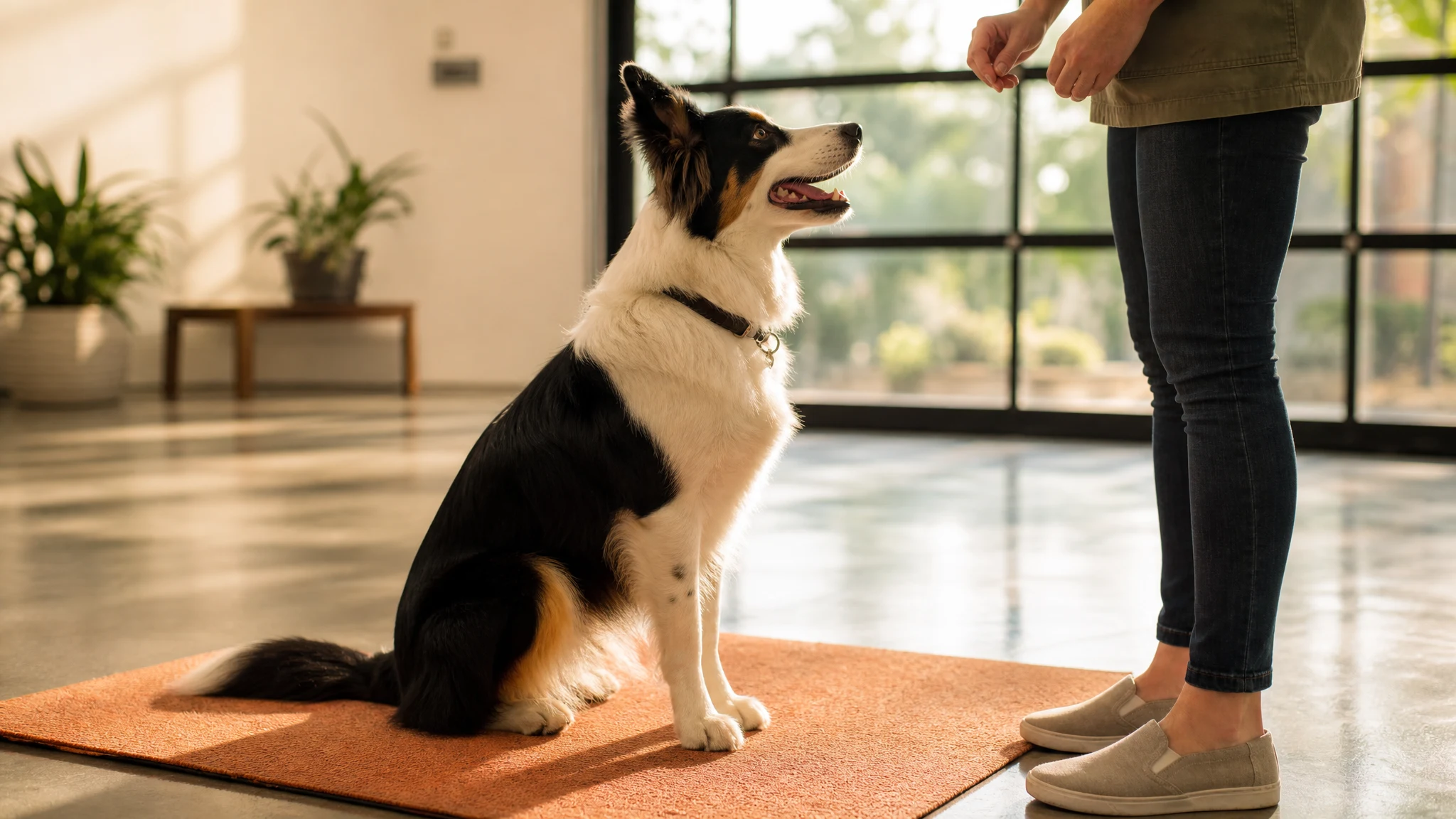
Board and train dog training means your dog lives at the trainer's facility or home for a set period while a trainer works on skills every day. Programs often cover basics like sit, loose-leash walking, and coming when called. The dog then comes home, ideally with lessons that teach you how to keep the training going.
How long do these programs last?
Length varies a lot from one provider to the next. Ask each program for its schedule in writing, along with what skills are planned for each week. A program that cannot explain its timeline is a program to think twice about.
Is board and train worth it?
It depends on your dog, your schedule, and the program. It can be worth it for a busy household that is committed to learning the skills afterward. It is a poor value if the trainer's methods are hidden or if you never get taught how to handle your dog.
Who is it a good fit for?
Owners with tight schedules, or those who want a head start on basics, sometimes find it useful. It is less suited to dogs who are very anxious about being away from home. In that case, private lessons in your own house may be a gentler path.
Board and Train in Anaheim
What should I look for in board and train in Anaheim?
Start with the basics: a clean, secure space, a plan for daily exercise and rest, and a trainer who will explain every method in plain words. Ask to see where your dog will sleep and play. Our guide to dog training in Anaheim, where to train and what it costs compares your options, including how board-and-train stacks up against classes and private lessons.
How does Anaheim heat affect a board-and-train stay?
OC Animal Care warns that asphalt can burn a dog's paws. At a 77 degree air temperature the asphalt is already 125 degrees, and skin damage can happen in 60 seconds. Ask how the program handles outdoor time on hot days, and whether dogs always have shade and water.
Does my dog need a license and rabies shot first?
OC Animal Care, which provides field services for Anaheim, says every dog 4 months or older must be licensed, and a current rabies vaccination certificate is required to buy a license. California Health and Safety Code 121690 requires rabies vaccination by a licensed veterinarian after a dog is 3 months old. Get your paperwork in order before you book, and ask the facility what other vaccine proof it wants.
How do I find a certified trainer?
The CCPDT keeps a public directory of certified dog trainers for California. Listings in the directory near Anaheim sit in neighboring cities such as Orange, Placentia, and Tustin, so check each trainer's service area yourself. A listing alone does not tell you how a specific program runs, so still ask the questions below.
The Risks
What does it mean that I can't see the methods?
Most of the training happens when you are not there. You have to trust what the trainer tells you. That is why it matters to ask exactly how the trainer teaches, what happens when a dog makes a mistake, and whether you can watch a session or see video.
Will the training transfer to me?
This is the biggest risk. A dog may listen well to the trainer and then act like nothing was learned once home. Dogs learn who a cue works with, so you need hands-on coaching to practice the same cues, timing, and rewards yourself.
Is boarding stressful for dogs?
It can be. New smells, new people, and time away from family are a lot for some dogs. Ask how the program watches for signs of stress, such as not eating or hiding, and how it will tell you if your dog is struggling.
Could my dog's old habits come back at home?
Yes, and that is normal. Your house, your routine, and your own habits are different from the facility's. Plan to keep practicing daily, and ask the program what follow-up support it offers after the stay.
Red Flags to Walk Away From
Is a guarantee a good sign?
No. Behavior depends on the individual dog, and no honest trainer can promise a fixed result. Be wary of anyone who offers guaranteed results or promises to fix a problem in a set number of days.
What about shock, prong, or choke collars?
Walk away. The American Veterinary Society of Animal Behavior (AVSAB) supports reward-based training, and tools that cause pain or fear can harm a dog's behavior and trust. A good program should say plainly that it uses rewards, not punishment.
Is it a problem if there are no owner sessions?
Yes. Without lessons for you, the training stays with the trainer. Look for programs that include handoff sessions where you practice with your dog and get written notes to follow.
What other warning signs should I watch for?
Be cautious if the trainer refuses a facility tour, will not describe a typical day, or avoids sharing updates while your dog is away. Pressure to sign right now is another warning sign. Vague answers about methods, with phrases like "we do what works" and no detail, deserve a follow-up question.
Questions to Ask Before You Book
What should I ask about training methods?
Ask what happens when my dog gets something wrong, which tools are used, and what rewards are used. Ask whether the trainer follows AVSAB-style, reward-based methods. Listen for clear, specific answers.
What should I ask about a typical day?
Ask how many hours a dog spends in training, in a crate, and at play or rest. Ask who handles your dog and how many dogs each person supervises. Request updates, such as photos or video, during the stay.
What should I ask about the handoff?
Ask how many sessions you get with the trainer, what written plan you will receive, and whether follow-up help is included. A program built around teaching you is more likely to work at home.
What should I ask about contracts and problems?
Ask what the agreement says about illness, injury, early pickup, and refunds, and get it in writing. Ask who your dog's veterinarian will be in an emergency. Check pricing against the ranges in our Anaheim training cost guide, since fees vary by provider.
What if my dog is aggressive?
Start with your veterinarian, because pain or illness can drive aggression. Then work with a certified behavior professional, not a general board-and-train program. If a dog has bitten or threatened someone, ask OC Animal Care about local rules for potentially dangerous dogs.
Are there alternatives?
Yes. Group classes, private lessons at home, and short day-training sessions all keep you involved in every step. Many Anaheim owners also practice at local off-leash spots, such as Olive Hills Dog Park, once their dog's recall is solid. Check current hours with the city before you go.